Industry
AdTech and AI
Target group
Data analysts
Client
Decentriq
Position
Head of product design, team lead
Unlocking confidence in data
collaboration and ML
Large organizations such as banks, insurers, and hospitals increasingly need to collaborate and share sensitive data to unlock AI-driven insights, from identifying individuals at risk for disease to predicting insurance demand. The challenge is enabling this collaboration while meeting strict privacy regulations and protecting sensitive information.
What I did on the project
When I joined Decentriq, the platform experience was fragmented and highly technical, which stalled the sales cycle for non-technical stakeholders and limited the platform’s expansion within the MarTech ecosystem. Our job as product design team was to transition the product from a specialized technical tool to an enterprise-grade platform capable of supporting multi-persona collaboration at scale.

The executive strategy: Product-led transformation
I lead the product design team to define and championed a product experience strategy that aligned Product, Design, Engineering, and Sales. I moved the organization from a feature-centric roadmap to a outcome-oriented vision, focusing on three strategic pillars: Trust, Velocity, and Accessibility.
Goals
Main issues:
High cognitive load for non-technical users
Poor discoverability of core features
Limited transparency around data usage
No scalable design system to support growth
Inconsistent visual language and workflows
These problems directly impacted confidence, retention, and expansion.
What my team did
Platform redesign to increase usage
New look and feel, onboarding, navigation
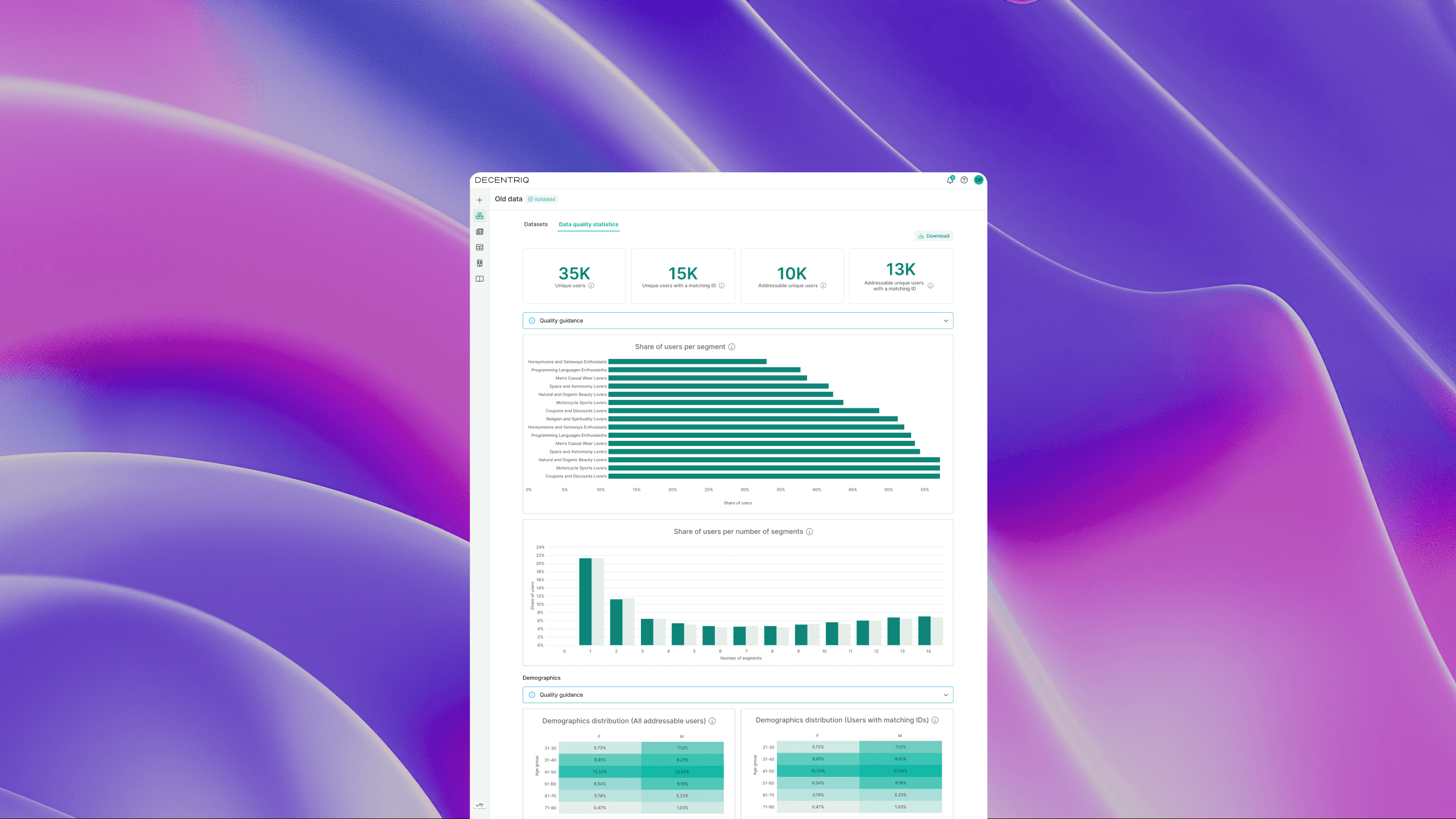
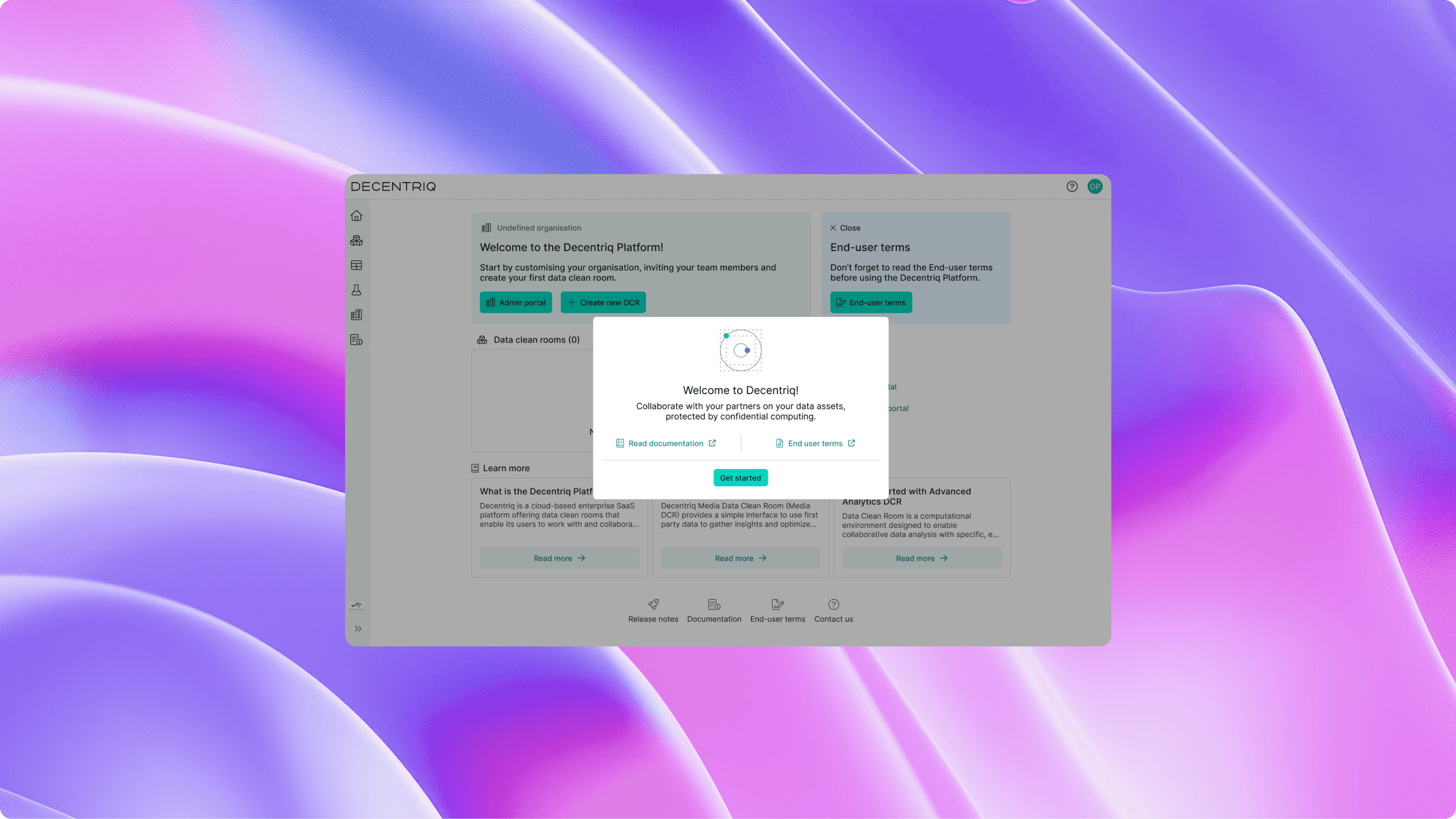
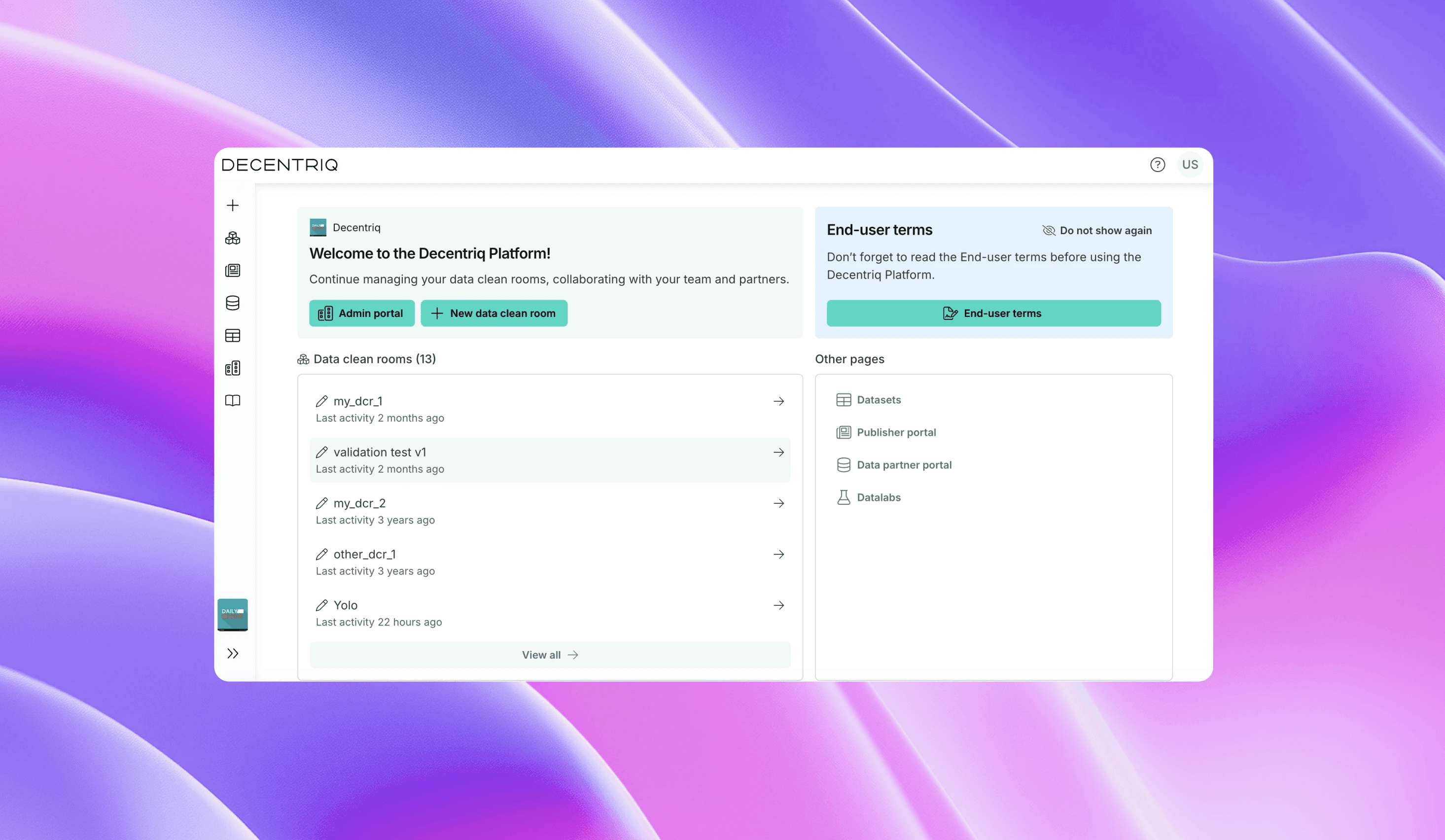
The Decentriq platform redesign focused on improving usability, clarity, and trust across core workflows. I led the definition of product goals and priorities, guiding the team toward a modern visual identity, simplified onboarding, and improved navigation.
Step-by-step guidance and in-context support reduced onboarding friction, while a clearer information architecture improved discoverability and task completion. These changes were validated through user research and iterative testing, ensuring they delivered measurable improvements to user confidence and efficiency.
New design system
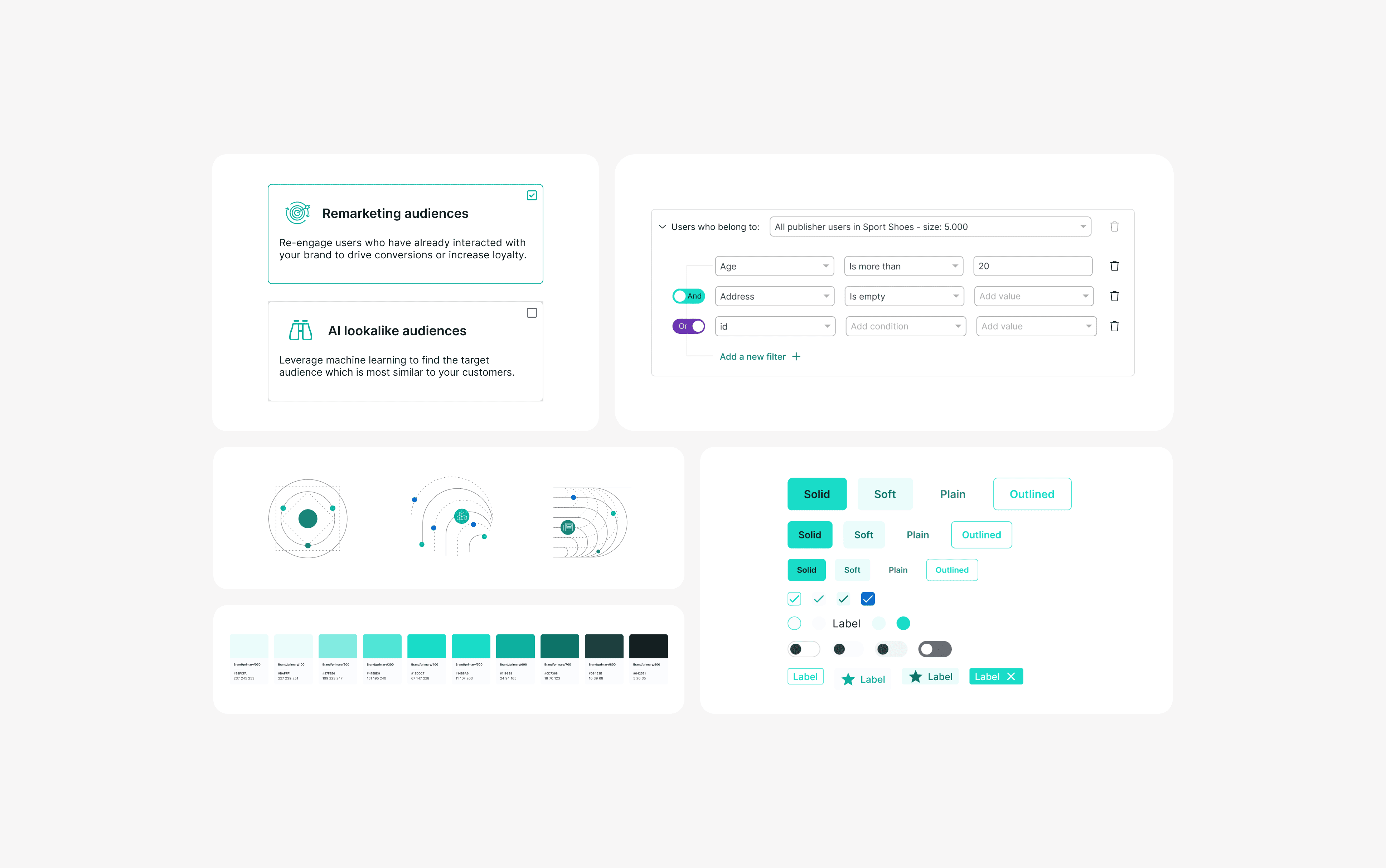
To support product scalability and faster iteration, I led the introduction of a structured design system. The system established a cohesive visual language through modern typography, a refined color palette, and consistent iconography, reinforcing Decentriq’s credibility in an enterprise context.
Reimagined components improved clarity, accessibility, and interaction quality, while responsive and modular layouts enabled consistency across devices. Centralized guidelines improved alignment between design and engineering, reducing rework and accelerating product delivery. The design system became a foundational asset for ongoing product development.
Importance of user feedback
Customer design program
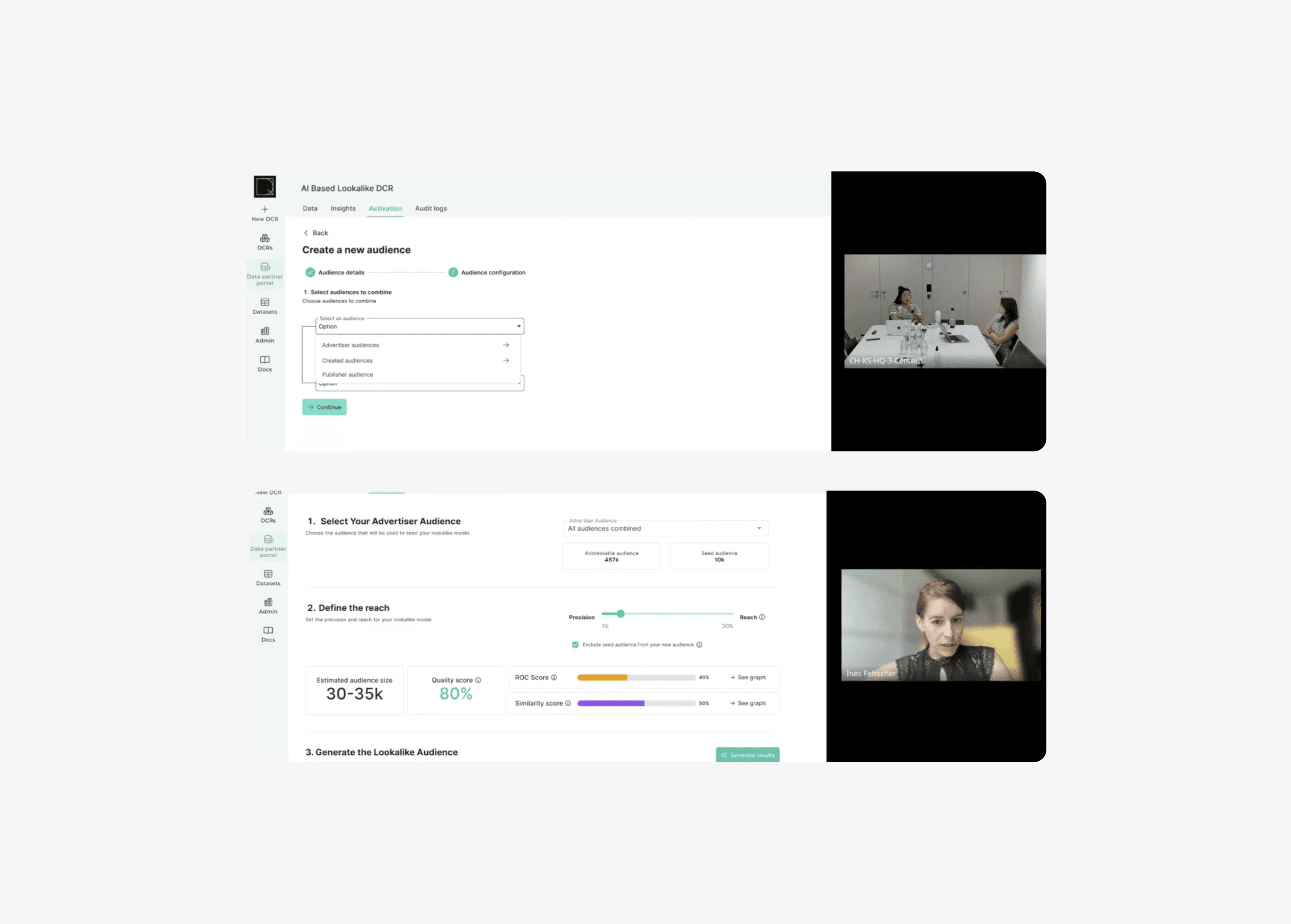
I conducted user interviews and usability testing, ensuring product decisions were grounded in real customer needs. This research surfaced key insights that directly informed roadmap priorities:
01
Transparency: Users needed clear visibility into how their data was processed and governed.
02
Real-time feedback: Users expected immediate feedback during critical actions such as data uploads or audience definition.
03
Privacy controls: Privacy safeguards, including anonymization thresholds, were essential for adoption and regulatory compliance.
Solution
What we shipped
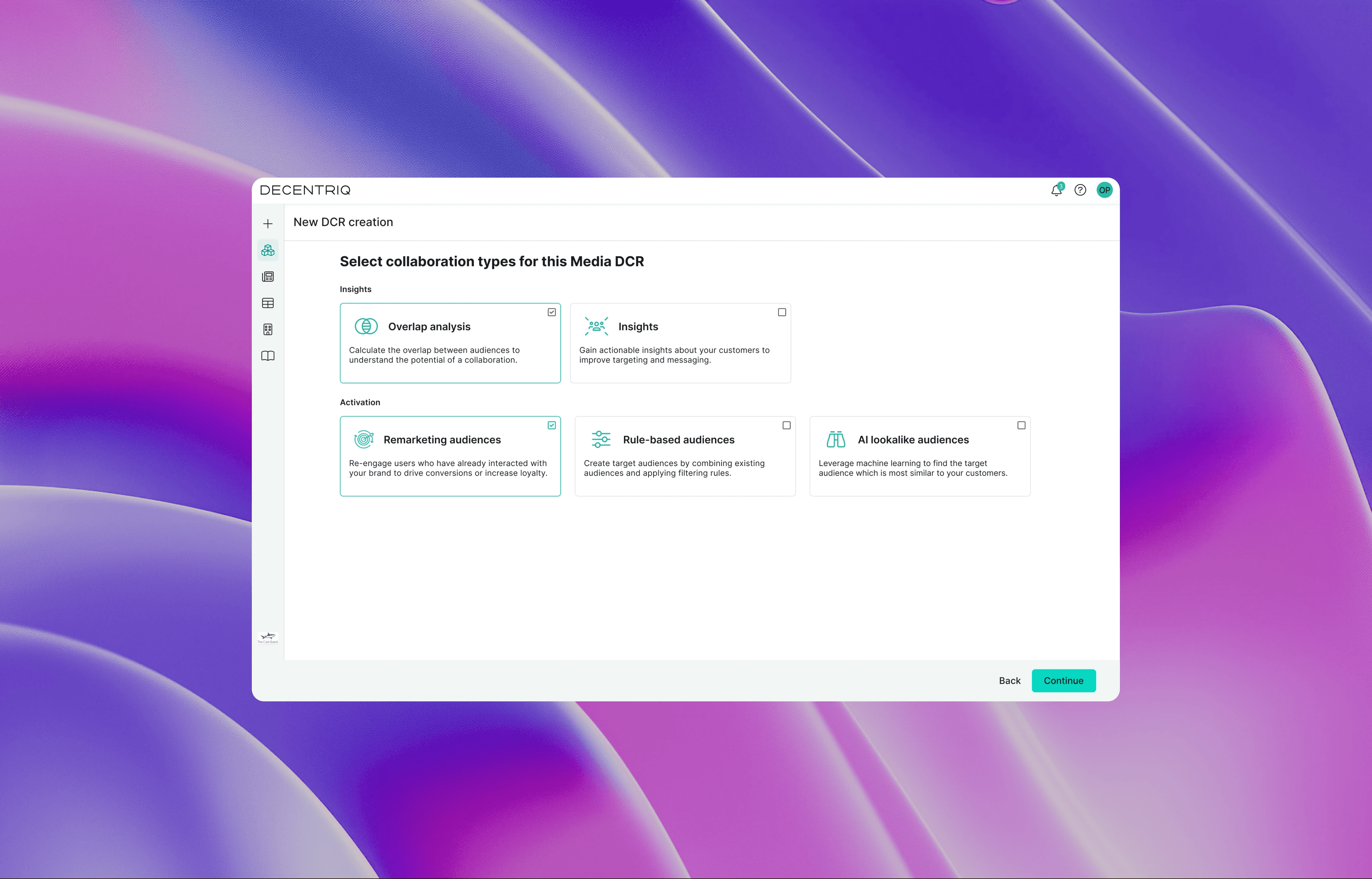
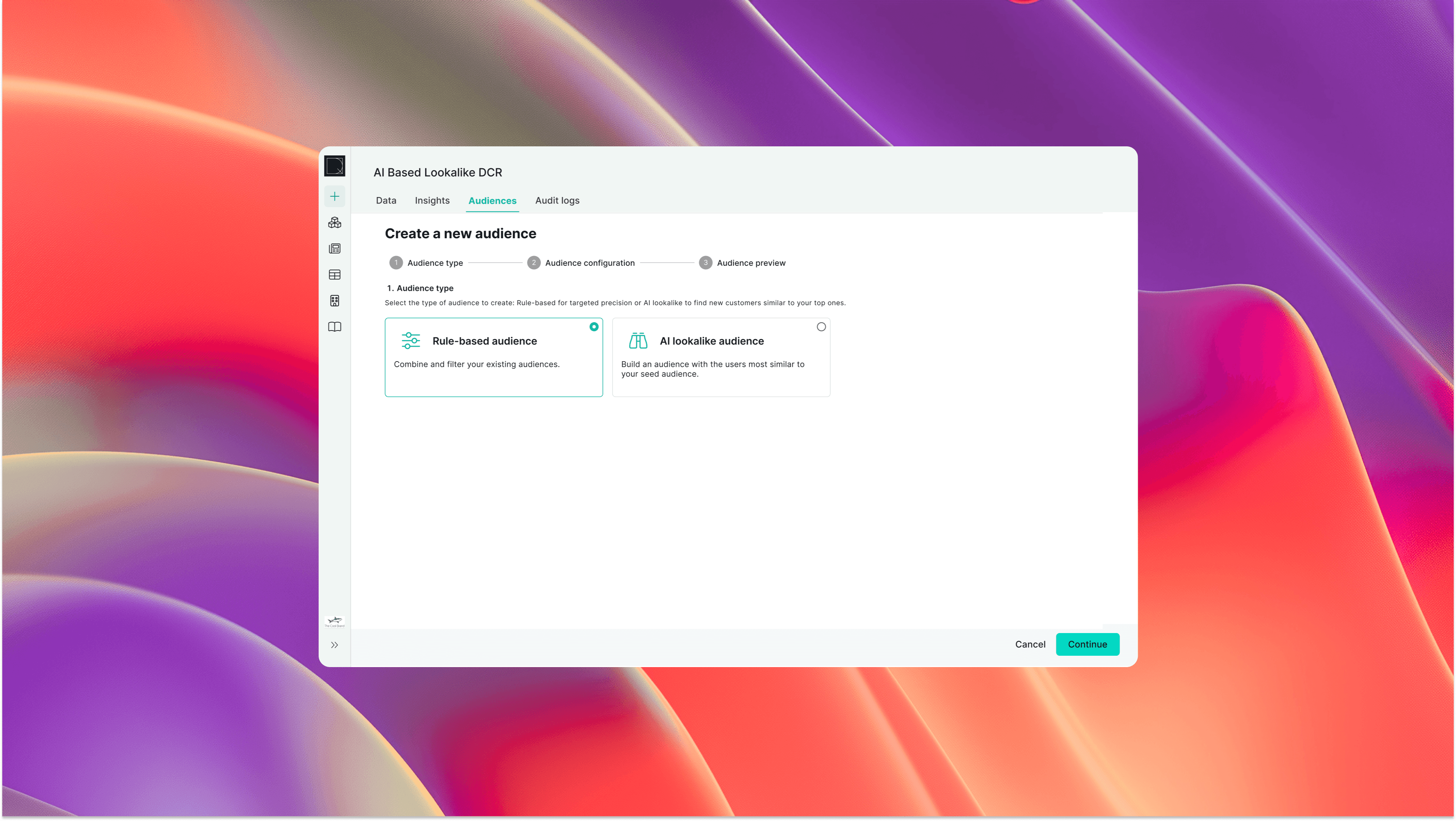
Feature Spotlight: Audience Builder
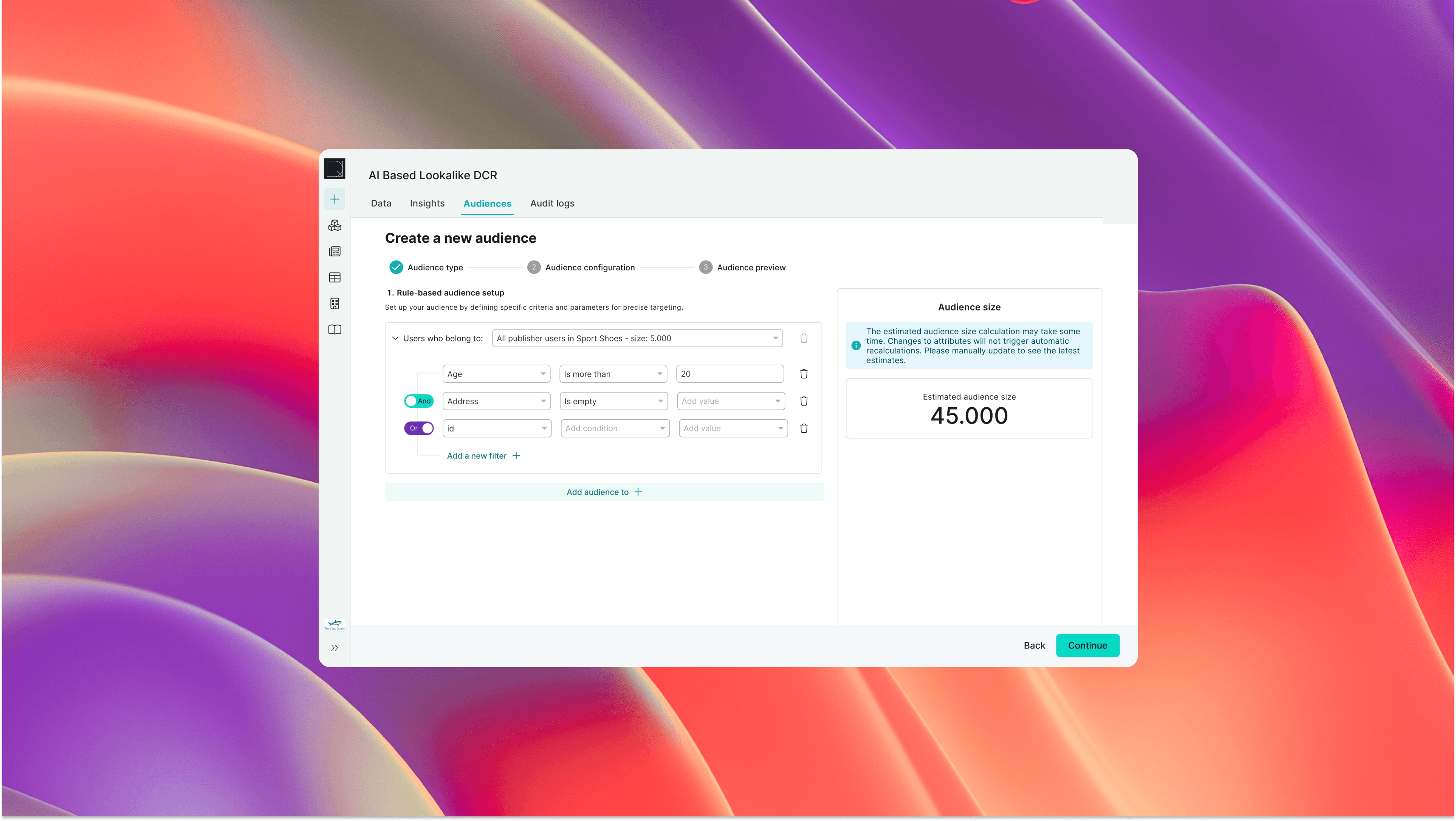
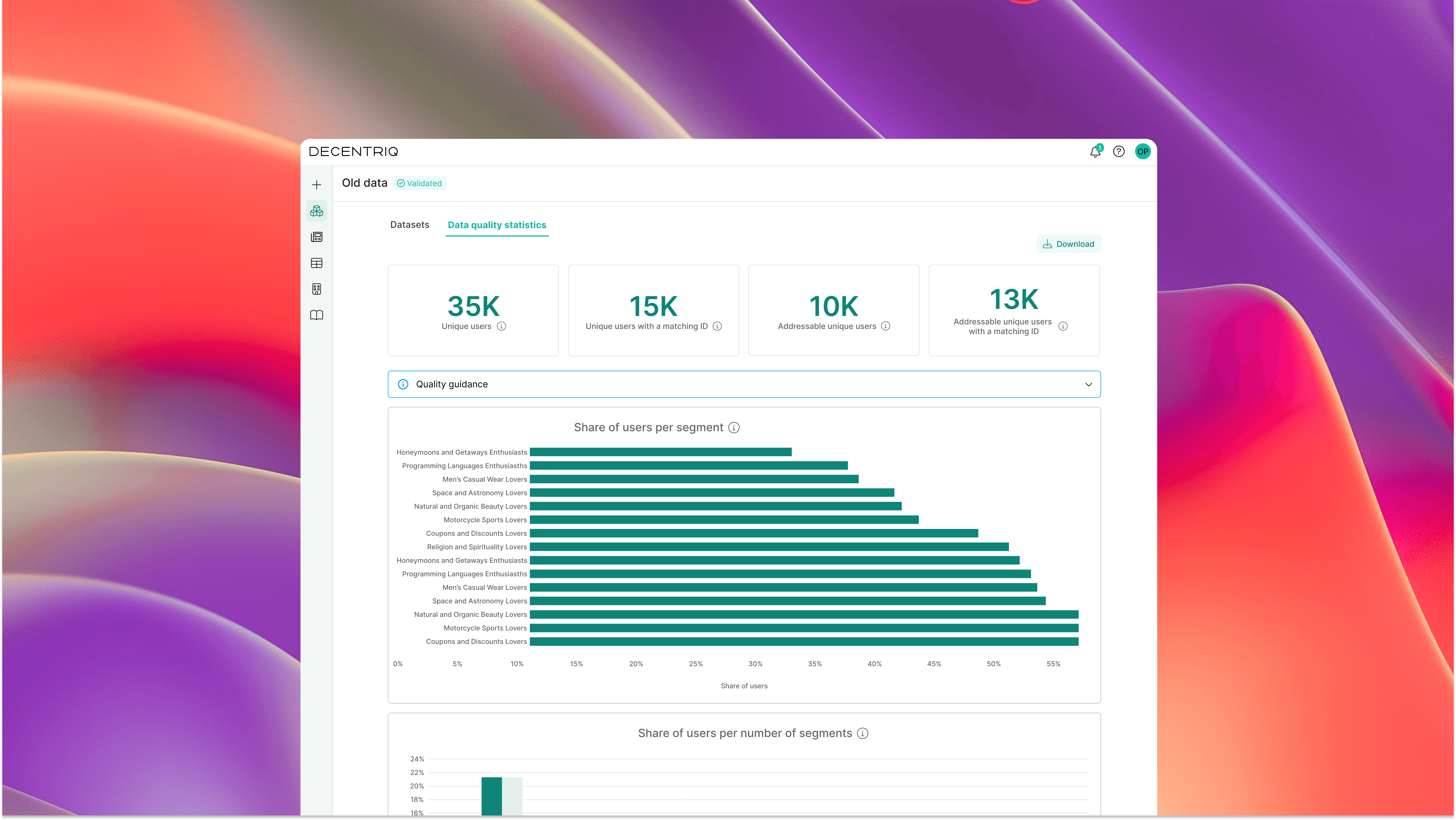
The Audience Builder addressed major workflow bottlenecks for users handling complex datasets.
01
Fragmented audiences:
Data scattered across multiple segments made it difficult to create cohesive targeting strategies. The Audience Builder enables seamless dataset combination to support unified audience creation.
02
Complex filtering:
Refining audiences through filters and criteria was time-consuming and error-prone. The new experience introduced an intuitive interface with real-time visualization and feedback.
03
Limited flexibility:
Traditional tools often required technical expertise to create tailored segments. The Audience Builder removed these barriers, enabling faster experimentation without coding or data science support.
KPIs
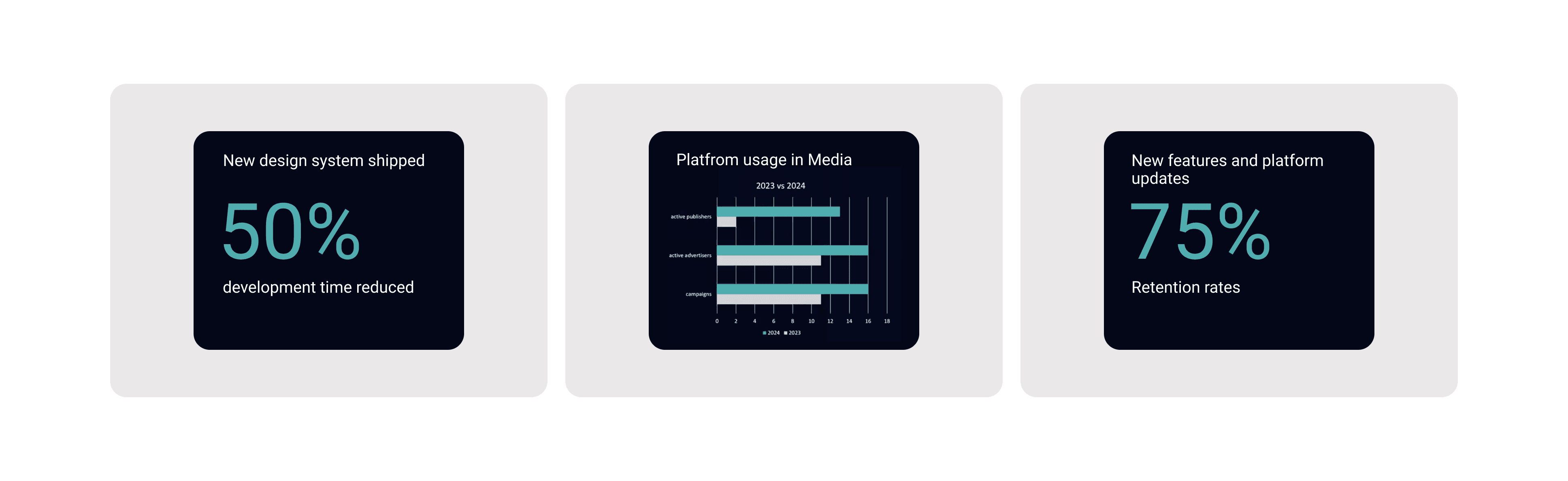
Decentriq’s platform redesign, design system, and new features streamlined workflows, improved confidence in data collaboration and the product position in a highly regulated market.
Next project
Unlocking confidence in data collaboration and ML
Large organizations such as banks, insurers, and hospitals increasingly need to collaborate and share sensitive data to unlock AI-driven insights, from identifying individuals at risk for disease to predicting insurance demand. The challenge is enabling this collaboration while meeting strict privacy regulations and protecting sensitive information.
My role
When I joined Decentriq, the platform experience was fragmented and highly technical, which stalled the sales cycle for non-technical stakeholders and limited the platform’s expansion within the MarTech ecosystem. Our job as product design team was to transition the product from a specialized technical tool to an enterprise-grade platform capable of supporting multi-persona collaboration at scale.
what we shipped:
KPIs
Decentriq’s platform redesign, design system, and new features streamlined workflows, improved confidence in data collaboration and the product position in a highly regulated market.